Install Findmino as an app for the best experience!
Defence Forces Cadetship
Law & Public Administration
Duration
4 years
Level
Bachelor
Outlook
Stable
What will you learn?
A Defence Forces Cadetship is a fully paid officer training programme that combines rigorous military education at the Military College in the Curragh with an accredited academic degree awarded in partnership with University of Limerick or Maynooth University. You develop leadership, tactical decision-making, physical fitness, weapons handling, and field craft across Army, Air Corps, or Naval Service streams. Academic modules cover defence studies, management, law, and applied sciences depending on your stream. A typical week blends classroom lectures, physical training, field exercises, and practical drills. Placements may involve overseas peacekeeping missions under the United Nations, offering real operational experience. On commissioning you hold the rank of Second Lieutenant or Ensign.
Videos about Defence Forces Cadetship

Air Corps Apprentice Aircraft Technician
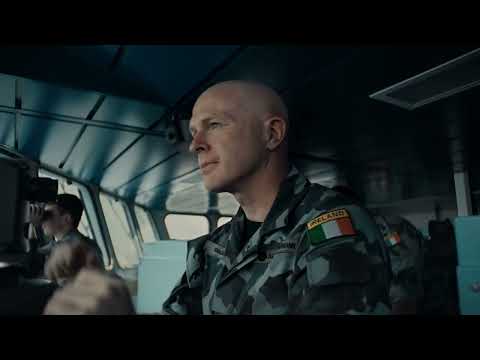
BE MORE with the Irish Naval Service
Required Education
Entry is through a competitive national selection process rather than the standard CAO system, though applicants must meet minimum Leaving Certificate requirements, typically at least five O6/H7 grades including English and Maths. Higher-level Maths and science subjects strengthen applications for technical streams such as the Air Corps or Naval Service. The process involves written aptitude testing, medical and fitness assessments, an interview board, and a background vetting process conducted by An Garda Síochána. There is no QQI/FET progression route into the cadetship itself, as selection is entirely merit-based through the Defence Forces recruitment process. Applicants must be Irish citizens, meet strict medical and fitness standards, and fall within the specified age range published in each annual recruitment competition. Mature applicants may apply provided they meet the age and eligibility criteria set out in the relevant competition.
Core Subjects
Career Prospects
The Defence Forces offer a structured, permanent career with incremental pay scales set under public sector pay agreements, job security, and a defined benefit pension scheme. Demand for commissioned officers remains steady, with cadetship competitions held annually, though intake numbers vary with government defence expenditure and the White Paper on Defence priorities. Promotion is merit-based and requires ongoing professional military education and demonstrated operational performance. Veterans with officer-level leadership and project management experience are highly regarded by employers in the private and public sector upon transitioning from military service.
Impact of AI on this program
Artificial intelligence is increasingly integrated into defence operations through autonomous surveillance systems, cyber defence tools, and AI-assisted intelligence analysis, all of which officers must understand and manage. The Defence Forces are engaging with national and EU-level frameworks on the ethical use of AI in security contexts, meaning future officers will need digital literacy alongside traditional military skills. AI will not replace the core leadership, ethical judgement, and physical operational competencies that define an officer's role, but it will change how information is gathered, processed, and acted upon in the field. Training curricula are gradually incorporating cyber awareness and technology management to ensure officers can operate effectively in digitally complex environments.
Where can you study this?Providers and indicative points are curated with AI support. Always double-check with the institution itself.
Verified 2 days ago
Providers and indicative points are curated with AI support. Always double-check with the institution itself.
How to apply
The Defence Forces Cadetship is NOT a CAO course; candidates apply directly to the Defence Forces via a competitive selection process advertised on military.ie, which includes written tests, fitness assessments, medical examination, and an interview board. Successful cadets undertake their degree studies (BA or BSc in Leadership and Management, validated by UL or Maynooth University) concurrently with military training at the Military College, Curragh Camp, as salaried members of the Defence Forces.
Possible Job Matches
Right after this study
Jobs you qualify for immediatelyDiscover more on Findmino
Other studies, careers, ideas and blogs you might not know yet.
This website uses cookies
We use functional cookies and — with your consent — cookies for preferences, statistics and marketing.