Install Findmino as an app for the best experience!
Duration
4 years
Level
Bachelor
Outlook
Growing
What will you learn?
A BSc in Microbiology immerses you in the study of bacteria, viruses, fungi and other microorganisms, examining how they interact with humans, animals, food systems and the environment. You spend a significant portion of your week in laboratory practicals, developing skills in cell culture, microscopy, molecular biology techniques and aseptic handling. Lecture modules are balanced with lab sessions, data analysis and written reports. Many programmes include an industrial or hospital placement, often in a biopharma company, food producer or clinical microbiology laboratory. Some universities offer optional Erasmus semesters, allowing you to study at a partner European institution. Specialisms typically include medical microbiology, food microbiology, environmental microbiology and pharmaceutical microbiology.
Videos about Microbiology
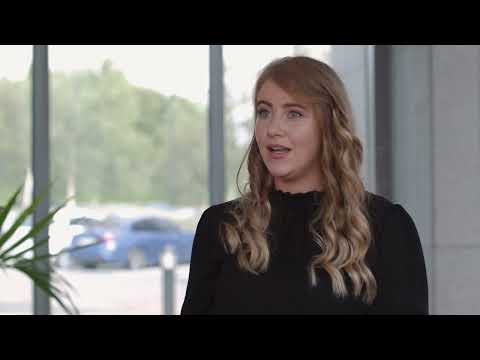
Patrick and Laura - IBEC Laboratory Apprenticeship

Dr Miriam Byrne welcomes you to Occupational and Environmental Health and Safety
Required Education
Entry to a BSc in Microbiology normally requires the Leaving Certificate with a minimum of six subjects, including Mathematics and English or Irish. Higher Level Chemistry or Biology is strongly recommended, and many programmes require at least one science subject at Higher Level. CAO points for Microbiology at UCC, University of Galway and TU Dublin are generally moderate to high, reflecting consistent competition for places. If you do not meet LC requirements, a relevant QQI Level 5 or Level 6 FET award in Science or Laboratory Techniques can provide a progression route into the first or second year of some degree programmes. Mature students aged 23 or over may apply directly through CAO using a separate mature applicant process, and HEAR and DARE access schemes are available for students from socioeconomically disadvantaged backgrounds or with disabilities.
Core Subjects
Career Prospects
The outlook for Microbiology graduates in Ireland is strong, driven by the country's world-leading biopharma manufacturing sector, which employs tens of thousands and continues to expand. Demand for quality, regulatory and laboratory roles remains consistently high, and many graduates secure employment before finishing their degree through industrial placements. Starting salaries in biopharma QC and laboratory roles typically range from approximately €28,000 to €38,000 gross per year, with experienced scientists earning considerably more. Graduates who pursue postgraduate study or professional qualifications such as the CORU-registered Medical Scientist route gain access to a wider range of clinical and research roles.
Impact of AI on this program
AI and machine learning are increasingly being used in microbiology to analyse large genomic and metagenomic datasets, accelerating pathogen identification and drug discovery. Automated imaging platforms with AI-assisted analysis are becoming standard in clinical and industrial labs, reducing manual counting and culture reading tasks. As a graduate, you will be expected to work alongside these tools rather than be replaced by them, with data literacy and bioinformatics skills becoming increasingly important. Core laboratory competencies such as aseptic technique, experimental design and regulatory compliance remain firmly human responsibilities.
CAO courses & points
3 CAO courses lead to this qualification. Points shown are last year's Round 1 score.
Where can you study this?Providers and indicative points are curated with AI support. Always double-check with the institution itself.
Verified yesterday
Providers and indicative points are curated with AI support. Always double-check with the institution itself.
CAO points (indicative): 320-530 (2024)
* Indicative only: CAO points change every year. Always check the current points on cao.ie and with the institution.
How to apply
All undergraduate microbiology and related science degrees in Ireland are accessed through the CAO (Central Applications Office) at cao.ie, with applications typically opening in November and closing in February. Microbiology is often offered within a broader science entry pathway, with students specialising in later years of the programme.
Possible Job Matches
Right after this study
Jobs you qualify for immediatelyGrowth opportunities
Roles you can grow into with experience or further studySimilar Studies
Advanced Therapeutic Technologies
This degree focuses on the science and clinical application of advanced therapeutic technologies, including cell therapy, gene therapy, and...
4 years
BachelorAnimal Science
Animal Science at degree level covers the biology, nutrition, genetics, and welfare of farmed and companion animals, with a strong emphasis on the...
4 years
Discover more on Findmino
Other studies, careers, ideas and blogs you might not know yet.
This website uses cookies
We use functional cookies and — with your consent — cookies for preferences, statistics and marketing.